This philosophy finds its fullest expression in
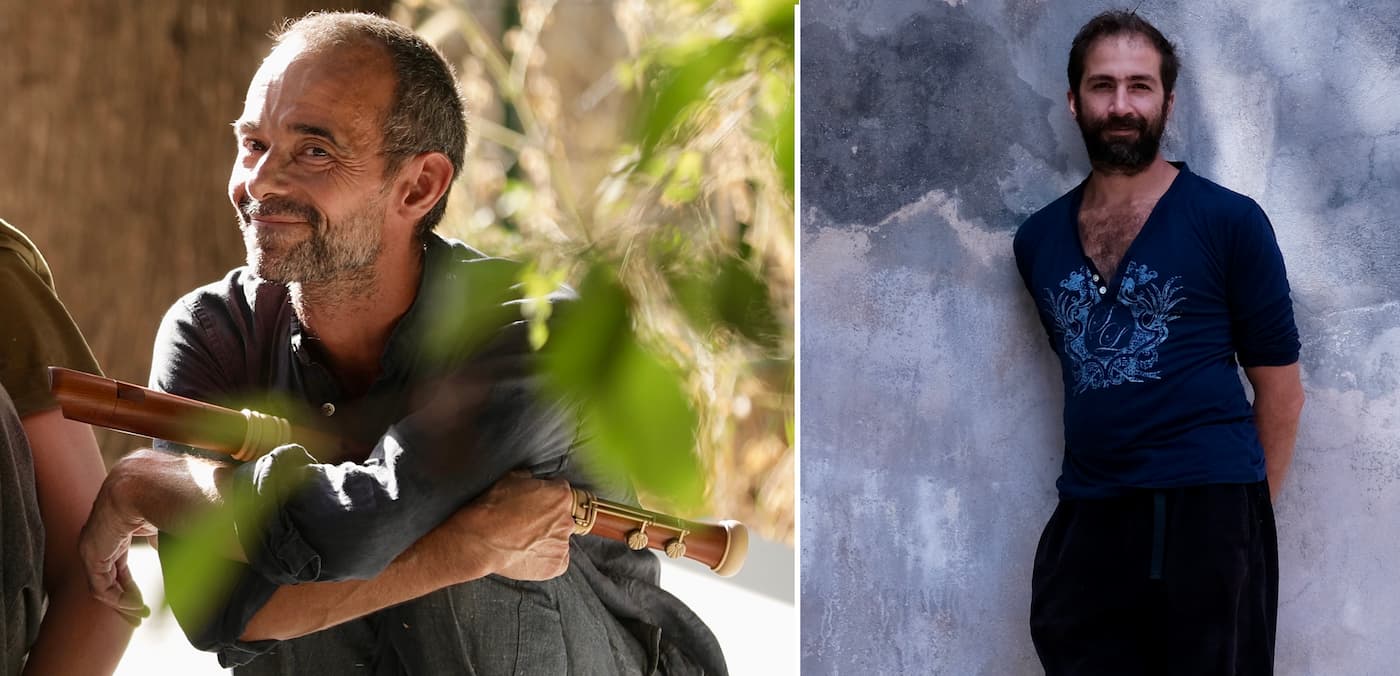
Origin of A Tale, which the duo describe as a “visual poem”.
On stage, clay becomes both material and metaphor. As it is kneaded, moulded and reshaped, figures begin to emerge – a donkey, a turtle, a tree “that thought it was stronger than all”, a frog, an elephant, a man in a canoe. These forms are fleeting, constantly shifting, echoing the fluidity of the stories being told.
The performance unfolds somewhere between dance and fable. Without relying on a fixed narrative, it invites audiences to travel across time and space – back, perhaps, to a moment before language fully formed, when stories were shaped as much by touch and gesture as by words.
It is, Deniaud notes, “a playful invitation to meditate on our place in a cycle of life, destruction and creation”, and a reminder of “the importance of keeping on telling each other stories”.
For Deniaud and Zouki, this openness is deliberate. Rather than prescribing meaning, their work creates space – for reflection, for intuition, for personal interpretation.
.jpg)
.jpg)
.jpg)
.jpg)

.jpg)